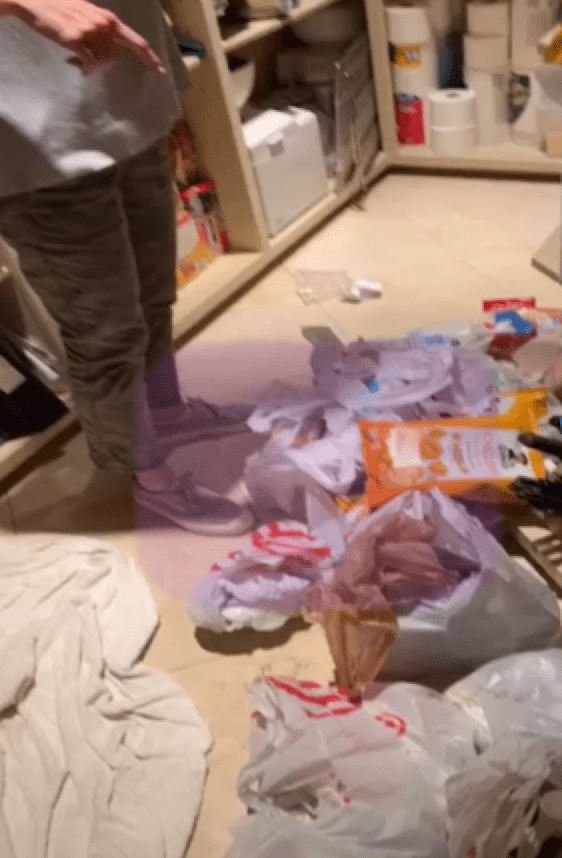
A family of the University of Denver student stocks up on grocery essentials. [photo by Lacey Rifkin|
Within two weeks University of Denver students went from chatting about a “deadly virus arising in Wutan, China that in the minds of many US citizens “would never make it to the U.S. “. Is now being talked about all over the quarters of the University of Denver. And to add to the buzz this virus news comes at the culmination of the end of a busy winter quarter for DU students who are also focused on last classes, finals and end of quarter events. The accommodation and food services sectors are largely at risk to due to a sustained drop in demand stemming from reduced travel due to the disease.
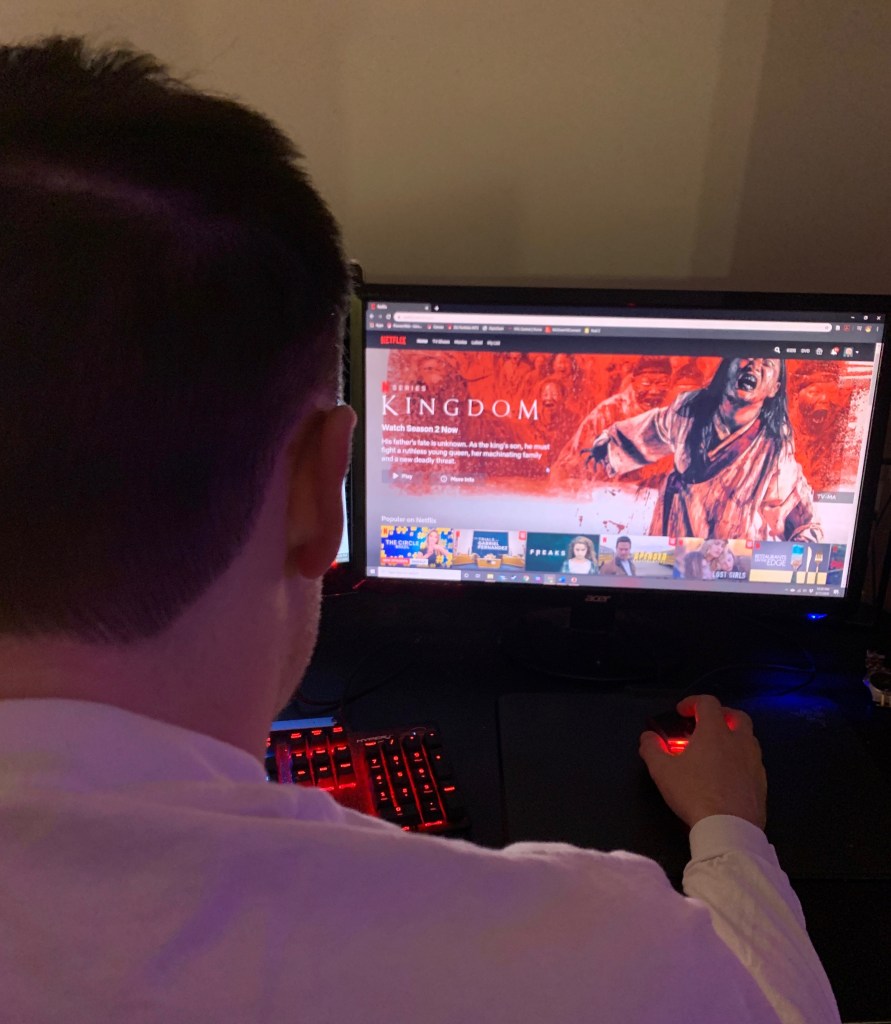
A University of Denver student views an ad on Netflix. [Photo by Sadie Abraham]
The rise of streaming services has had a profound impact on the general media landscape, especially the decline of traditional television formats. Studies show that Americans are increasingly cutting ties with their cable providers annually. However, most streaming services offer ad free subscriptions, so what impact does this have on those who work in the industry of traditional advertising?
An oral thermometer reading 96 degrees Fahrenheit. [Photo by Nolan Deck]
As Covid-19 spreads across the world, many scientists are rushing to produce a vaccine. However, as with the SARS epidemic, and based on information from Harvard’s Coronavirus Resource Center, it’s very likely that the spread of the virus will slow before any vaccine is released.
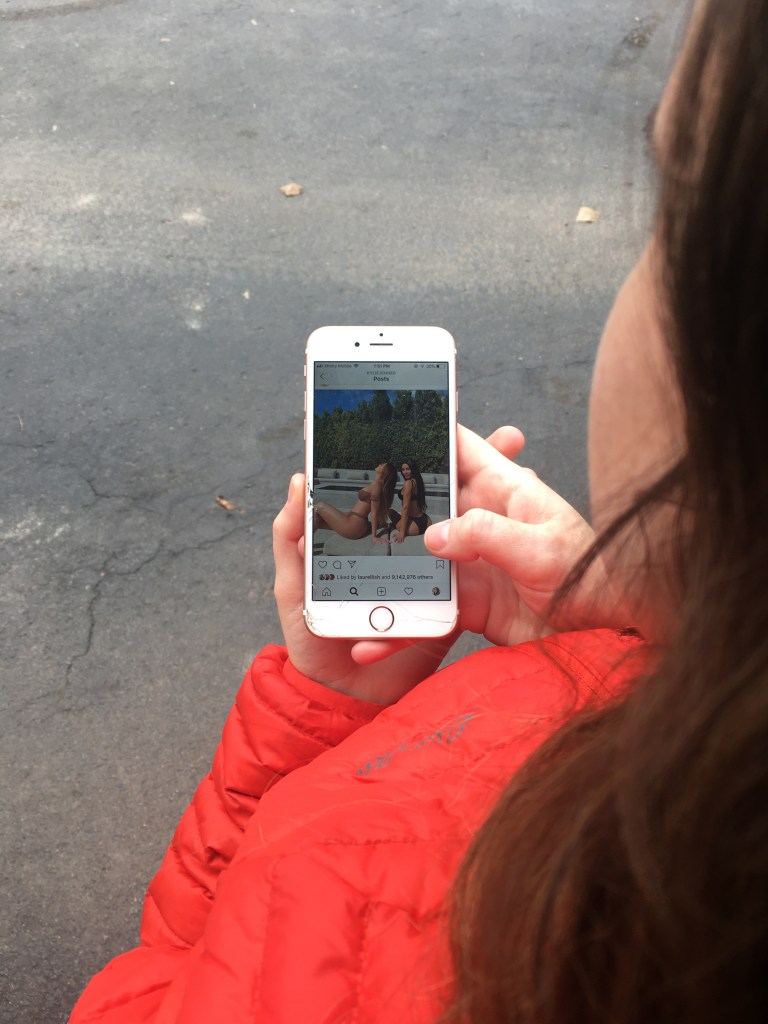
University of Denver student looks at an Instagram photo of Kim Kardashian and Kylie Jenner. [Photo by Kelly Fegan]
Social media is something that appears to be at the fingertips of everyone around us. It is a way to connect with friends, chat with distant relatives, or follow your favorite celebrities. On the surface, social media seems to be a great thing; in fact, millions of people use it daily. But if we scratch below the seemingly perfect label these platforms display, we’ll discover the dangers users experience for every “like.”
The University of Denver with towering shade trees. [Photo by Alexandra Welch]
While strolling through a college campus one might expect to see beautiful shade trees and lush green grasses with students lounging underneath. At schools like the University of Denver, which is naturally a grassland landscape, these idealistic landscaping trends can have a huge cost- in water usage.
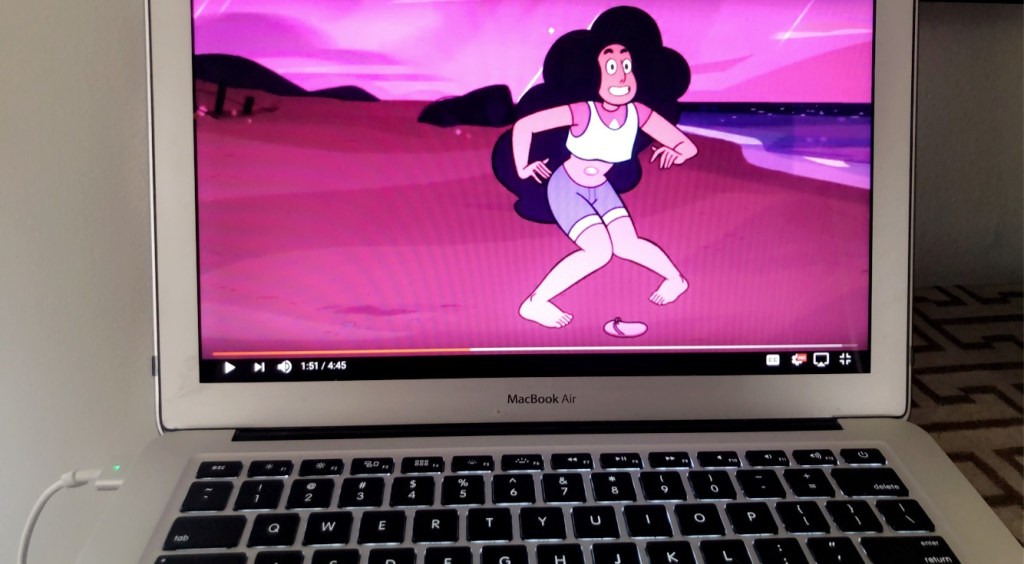
Cartoon Network show “Steven Universe” featuring non-binary/gender neutral character “Stevonnie.” [Photo by Scotty Chaplik]
Children’s television has become very prevalent in today’s age in media, as networks like Disney Channel and Nickelodeon do the best they can to provide healthy, informative, entertaining, and valuable content towards children everywhere. But what do they do to make sure their content includes fair LGBTQ+ representation?
Only in recent years, has LGBTQ+ representation in children’s television started to rise. Currently, there are only six children’s shows that incorporate LGBTQ+ characters in leading or supporting roles, them being “Andi Mack”, “Legend of Korra”, “Steven Universe”, “She-Ra and the Princesses of Power”, “The Loud House”, and “Arthur”.
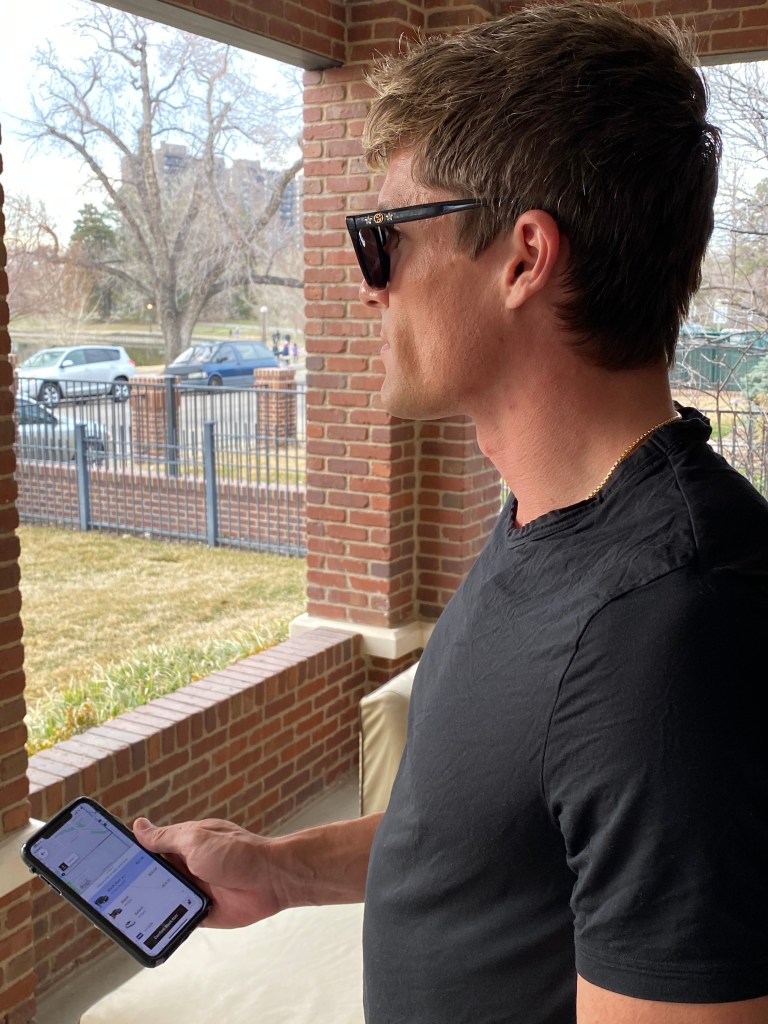
Waiting for an Uber outside his house. [Photo by Thomas Madden]
I woke up late and pulled up my app and ordered an Uber. 5 mins away the notification came though that I was being connected with a driver in the area. Then as I was grabbing some coffee another notification came through that the driver was outside my house.
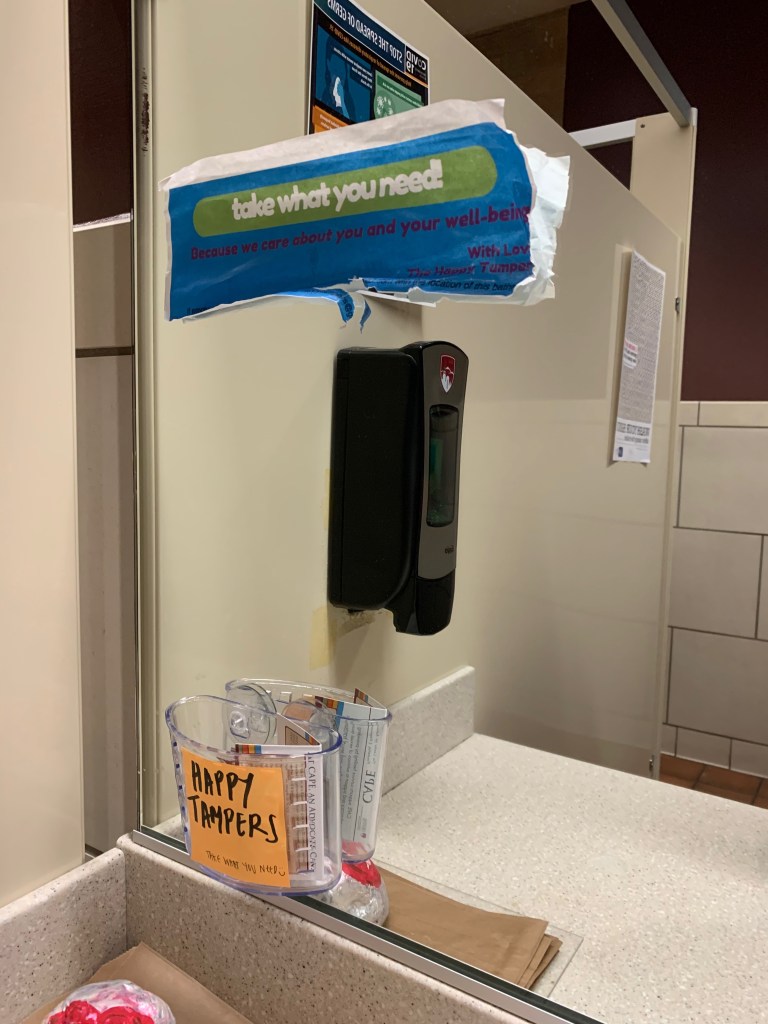
Empty menstrual product container on the University of Denver campus. [Photo by Madeline Knopf]
Many individuals go through life without thinking where their next necessary health and hygiene products will come from—or how they will support themselves or their family enough to be able to afford said products. This applies to menstrual hygiene products, which are currently considered luxury products.
Luxury products are defined to be unnecessary or non-essential items. These products are taxed to increase government revenue and include items that are quite literally, luxuries. However, in modern times, this term applies to products that can be considered unreasonable like tobacco, alcohol, high-end cars, or menstrual products.
Menstrual products are taxed as a luxury in all but eight states in the US. These hygiene products are, in fact, a necessity for much of the population. Even still, many people cannot afford to purchase these products, further made expensive by unethical taxes. This is impacting education of girls and women across the globe.
“There’s nothing luxurious about having your period. There’s a massive financial burden—the world is screwing women over when it comes to something they cannot control,” said Izzy Hinshaw, an Integrated Sciences Major at the University of Denver.
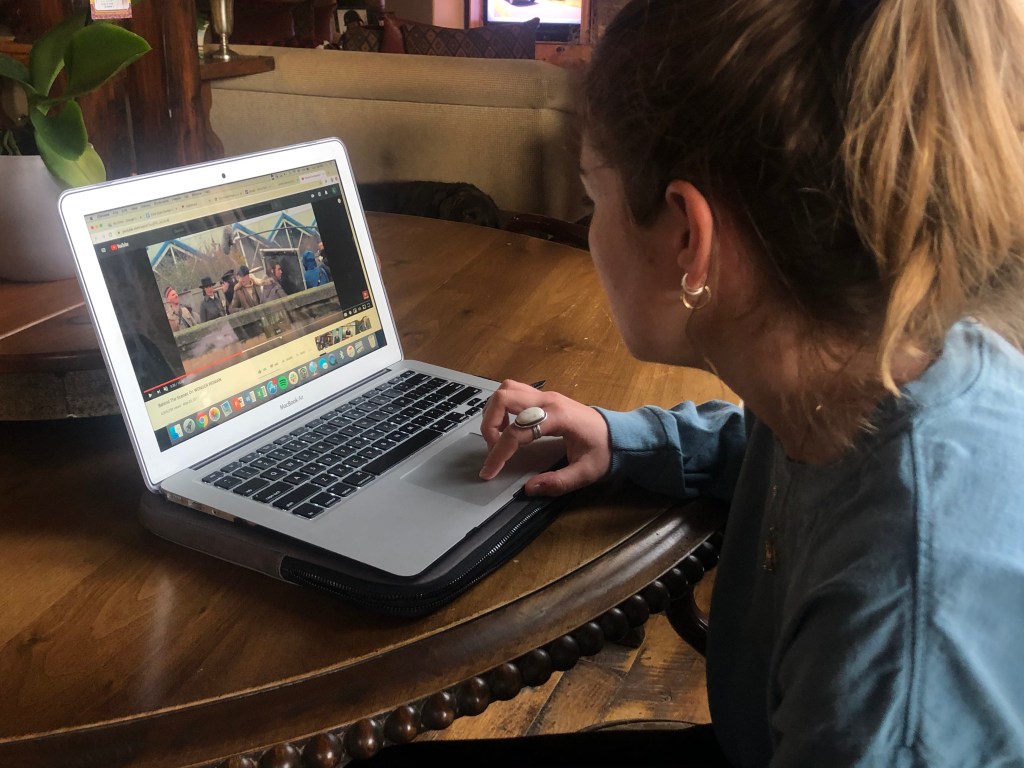
Student examines behind the scenes representation in 2017 film Wonder Woman, directed by Patty Jenkins [Photo by Devon Weigers].
The chatter is everywhere these days. Female representation in American cinema behind the scenes has been lacking for years and the hunger for equality is ravenous. The Celluloid Ceiling: Hollywood’s special name for the Glass Ceiling, is more prevalent and noticeable than ever before.
Students struggle everyday with mental illness and the uncertainty of how it will affect their academic success. [Photo by Maddie Gaynor]
Mental health is an issue that does not discriminate based on age, gender, or sexual orientation. It is a weight that many people all over the world struggle with but one group that demonstrates the intense effect it can have on all aspects of one’s life is college students.
Evan Burley, a Staff Reporter, writes in his article that eighty percent of college students feel overwhelmed as a student, fifty percent rated their mental health as poor or below average, and fifty percent have struggled greatly from anxiety and therefore school. Even though certain mental health issues like anxiety and depression are some of the most common it can also take the form of addiction and eating disorders, but even with all of these forms forty percent of students still do not seek help.



 The MFJS Reporter -- Winter 2020 T-R