Period poverty and menstrual inequity common in Denver—What can be done to help?

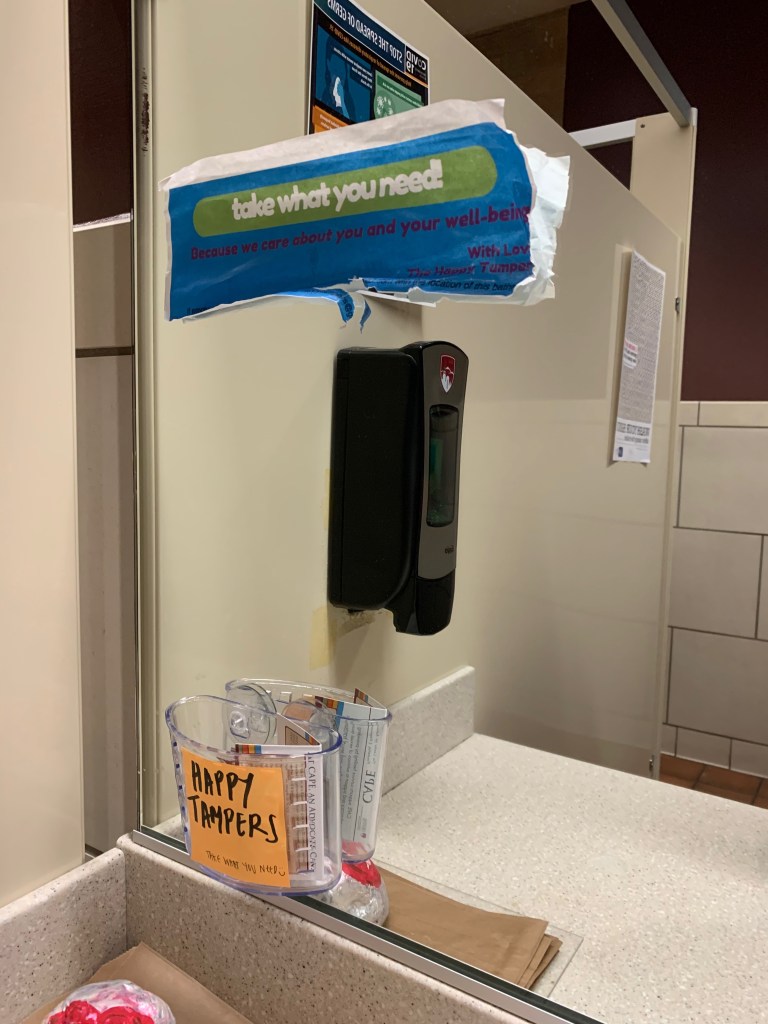
Empty menstrual product container on the University of Denver campus. [Photo by Madeline Knopf]

Many individuals go through life without thinking where their next necessary health and hygiene products will come from—or how they will support themselves or their family enough to be able to afford said products. This applies to menstrual hygiene products, which are currently considered luxury products.

Luxury products are defined to be unnecessary or non-essential items. These products are taxed to increase government revenue and include items that are quite literally, luxuries. However, in modern times, this term applies to products that can be considered unreasonable like tobacco, alcohol, high-end cars, or menstrual products. 

Menstrual products are taxed as a luxury in all but eight states in the US. These hygiene products are, in fact, a necessity for much of the population. Even still, many people cannot afford to purchase these products, further made expensive by unethical taxes. This is impacting education of girls and women across the globe.

“There’s nothing luxurious about having your period. There’s a massive financial burden—the world is screwing women over when it comes to something they cannot control,” said Izzy Hinshaw, an Integrated Sciences Major at the University of Denver.
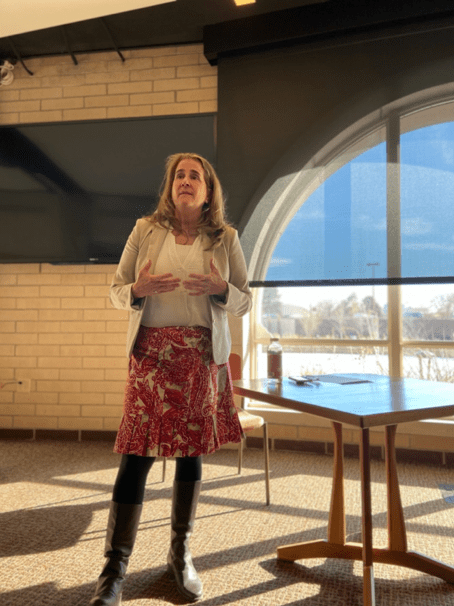
Manda Wittebort, humanitarian, speaks on community engagement and youth development

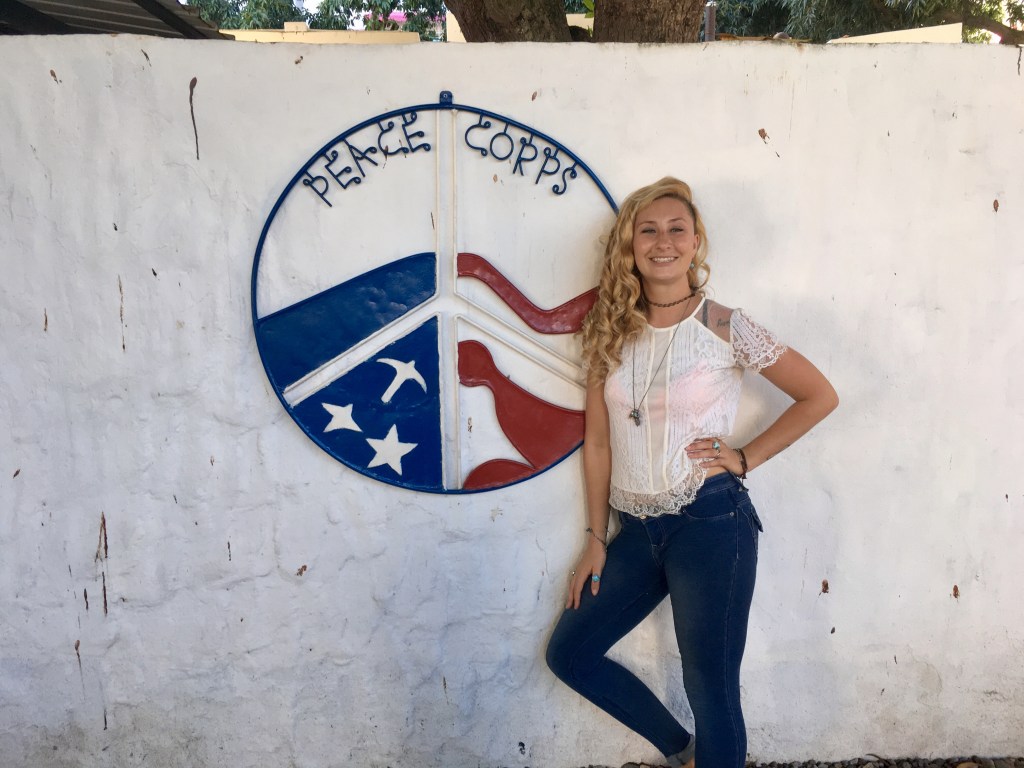
Manda Wittebort standing by the Peace Corps emblem. [Photo supplied by Wittebort]

Manda Wittebort has dedicated her life’s work to humanitarian efforts and volunteering to ensure that students and youth have support they may be lacking and are better set up to thrive in society. Wittebort worked to broaden her perspective on youth issues locally, nationally, and globally.

Wittebort studied at Rollins College for her undergraduate degree in Developmental Psychology. It is during this time that she found a sense of belonging and purpose within the humanitarian and youth support sectors. 

During Wittebort’s time in college, she began volunteering for JUMP or “Join us in making progress” as well as the organization, “Give kids the world.” These programs pushed Wittebort out of the ‘Rollins College bubble’ and enabled her to understand the world around her a little bit better.

“We were a group that had different issue areas—I had chosen youth and families, there was also health and environment, youth and homelessness. We would plan monthly service events for all of campus, throughout the Orlando area,” said Wittebort.

US Senate candidate Diana Bray speaks about climate justice, her platform, and on being a woman in politics

Dr. Diana Bray speaking at the climate justice event. [Photo by Madeline Knopf]

DU’s IGNITE National Chapter held an event on climate justice and women in politics hosting the speaker Dr. Diana Bray on February 14. Bray is running for the US Senate seat currently held by Cory Gardner. She is a DU Alum and her platform’s focus is on climate justice activism, divestment from fossil fuels, and female empowerment.

“I started working to regulate the [petroleum] industry with those few [grassroot organizations] who were, because our state government was not interested in doing that and has not been interested in doing that,” said Bray. She is now working to be this change.

IGNITE is a national, non-partisan organization that works to empower women in political leadership positions. There are chapters in colleges and even high schools across many states in the US. IGNITE is continuing to expand and recently, a chapter at DU was reinstated. 

Secret concerts in Denver create an intimate community for artists and audiences—Sofar Sounds

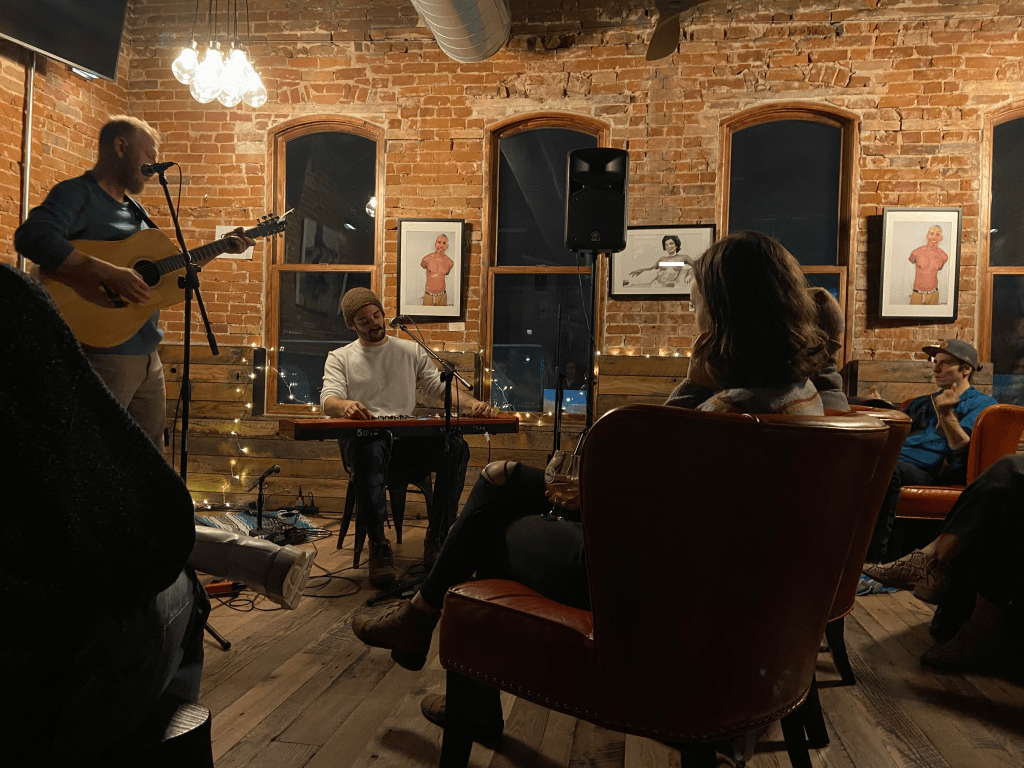
Joel Ansett and Dan DeCristofaro perform at Odell’s during a Sofar Sounds gig in Downtown Denver. [Photo by Madeline Knopf]

Sofar Sounds enables artists and audience members from across the country to come together and connect in an intimate concert setting. On Tuesday, Feb. 4, Sofar Sounds Denver achieved just that. 

According to the Sofar Sounds website, “a Sofar gig is an intimate show held in a unique venue, like someone’s living room or an antique shop. It typically features three artists, playing four songs each. Every lineup is specially curated to give our audiences a diverse show.”

Human trafficking is prominent in the Denver Area

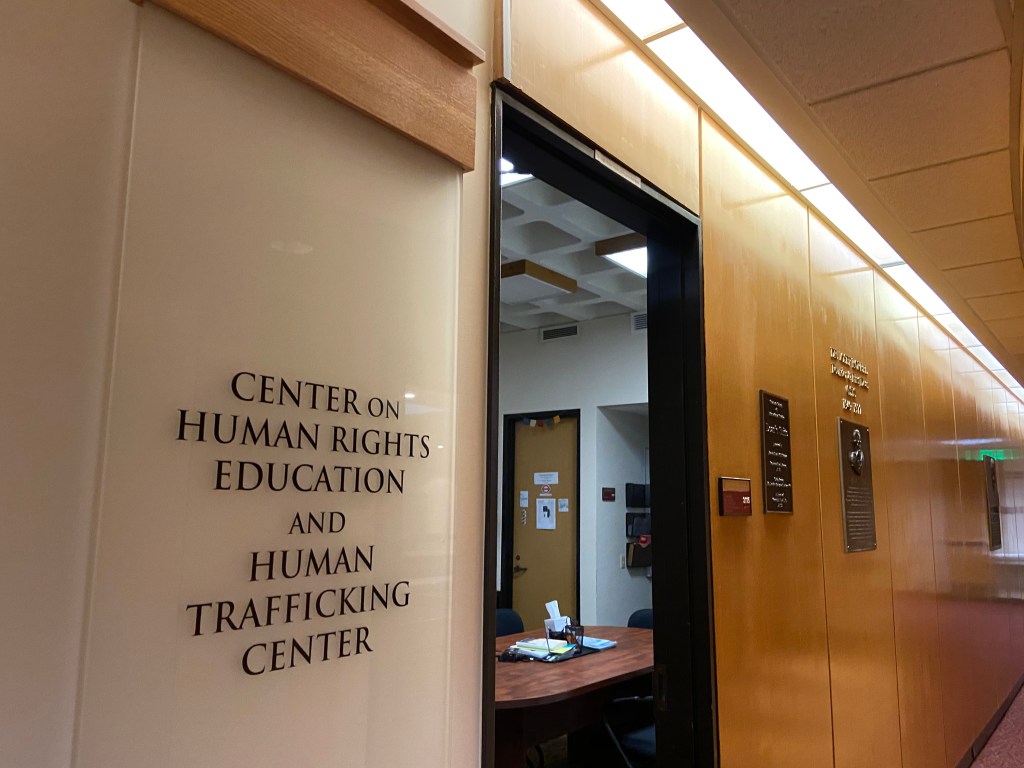
DU’s Human Trafficking Research and Awareness Center. [Photo by Madeline Knopf]

People do not expect Colorado to be a hub for human trafficking. Yet, according to the Colorado Human Trafficking Council, in 2017, 425 cases were reported to the National Human Trafficking Hotline, and 423 cases to Colorado’s Network to End Human Trafficking (CoNEHT) Hotline. 

While many individuals do still believe human trafficking to be a distant problem, it is a huge problem in the Denver Area. Being that the rodeo and stock show here in Denver attracts tourists and crowds, it is an opportunity for traffickers to strike.